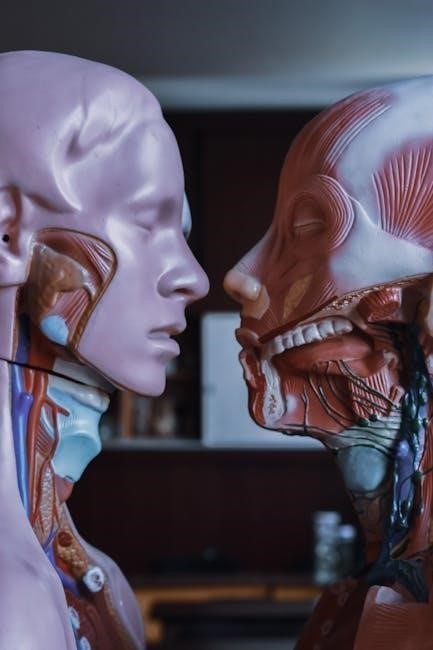
Overview of the Biology Final Exam

Today is 07/25/2026 17:26:15. This biology final exam focuses on cellular processes, genetics, and ecology. Students should review lecture notes, textbook chapters, and past quizzes. Emphasize key concepts, practice questions, and time‑management strategies. Reviewdiagrams and practice with flashcard
Exam Objectives and Learning Outcomes
Students will demonstrate mastery of core biological principles through a combination of multiple‑choice, short‑answer, and data‑interpretation questions. The exam is structured to assess both breadth and depth across the following domains:
- Cellular structure and function, including membrane transport, organelle specialization, and energy conversion.
- Genetic mechanisms, from Mendelian inheritance to molecular genetics, and their application to evolutionary theory.
- Ecological relationships, population dynamics, and ecosystem processes, with emphasis on quantitative analysis.
- Evolutionary patterns and phylogenetic reasoning, integrating fossil evidence and molecular data.
- Biochemical pathways, enzyme kinetics, and metabolic regulation in prokaryotes and eukaryotes.
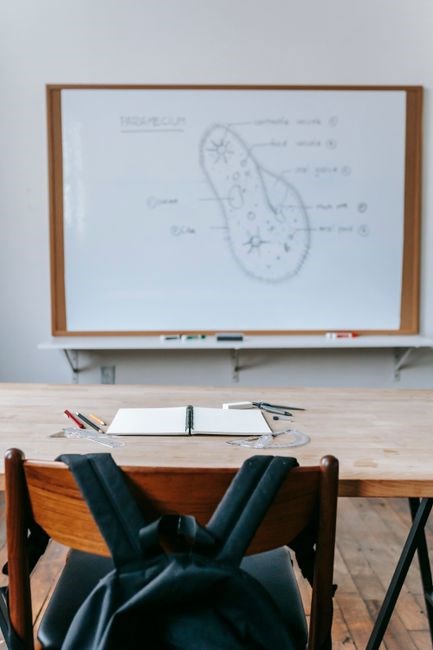
Learning outcomes are articulated as observable behaviors: students will be able to (1) diagram subcellular structures and explain their roles; (2) predict phenotypic ratios from dihybrid crosses; (3) calculate growth rates using logistic models; (4) interpret experimental data to infer causal relationships; and (5) construct phylogenetic trees that reflect evolutionary relationships.
To prepare effectively, students should integrate active recall sessions, create concept maps linking cellular processes to ecological outcomes, and solve practice problems that mimic exam question styles.Review sessions spaced over weeks reinforce retention and reduce test anxiety.

Key Content Areas to Master
Focus on cellular biology, genetics, ecology, evolution, and biochemistry. Review membrane transport, DNA replication, Mendelian ratios, population models, metabolic pathways, and enzyme kinetics. Integrate lecture notes, textbook chapters, and past quizzes.!!! !
Cell Structure, Function, and Biochemistry
Understanding the architecture of eukaryotic cells is essential for mastering the final. The nucleus houses chromatin, where DNA is organized into nucleosomes and wrapped around histone octamers, facilitating transcriptional regulation. The nucleolus, a sub‑nuclear body, synthesizes ribosomal RNA and assembles ribosomal subunits. Cytoplasmic organelles like mitochondria, chloroplasts, ER, Golgi, lysosomes, peroxisomes, and vacuoles big perform biochemical tasks!!. Mitochondria generate ATP via oxidative phosphorylation, while chloroplasts conduct photosynthesis, converting light energy into chemical energy. The rough ER is studded with ribosomes, synthesizing membrane‑bound proteins, whereas the smooth ER stores lipids and detoxifies xenobiotics. The Golgi modifies, sorts, and packages proteins for secretion or membrane insertion. Lysosomes contain hydrolytic enzymes that degrade macromolecules, and peroxisomes handle fatty‑acid β‑oxidation and reactive oxygen species detoxification. Cytoskeletal elements—microtubules, actin filaments, and intermediate filaments—maintain cell shape, enable intracellular transport, and facilitate cell division. Signal transduction pathways rely on receptors, second messengers, and kinases to propagate extracellular cues. Enzyme kinetics, governed by Michaelis‑Menten dynamics, dictate metabolic fluxes, and feedback inhibition ensures homeostasis. Mastering these concepts will enable accurate interpretation of experimental data and diagrammatic representations.

Essential Study Techniques
Use active recall, spaced repetition, and concept maps. Review lecture notes, flashcards, and practice quizzes daily. Schedule short sessions, test yourself, and discuss topics with peers. Track progress, adjust focus, and maintain consistent study habits.!
Active Recall, Spaced Repetition, and Concept Mapping
Active recall forces you to retrieve information from memory, strengthening neural pathways and revealing gaps. Begin each session by quizzing yourself on key terms, processes, and diagrams without consulting notes. Use flashcards, self‑generated questions, or practice quizzes to trigger retrieval. Spaced repetition builds on this by scheduling reviews at increasing intervals—24 h, 48 h, 7 days, then 14 days—ensuring long‑term retention. Digital tools like Anki or Quizlet automate interval calculations, but manual scheduling works equally well. Concept mapping visualizes relationships among concepts, illustrating how cellular respiration links to metabolic pathways, genetics to inheritance patterns, and ecosystems to biogeochemical cycles. Create maps by writing central ideas in circles, drawing arrows to related sub‑topics, and labeling connections. Review maps weekly, adding new nodes as you learn. Combining these methods—recall, spaced review, and mapping—creates a robust, interconnected knowledge base that adapts to exam formats and promotes deep understanding.
When implementing spaced repetition, track your performance on each flashcard; if you answer correctly, postpone the next review; if you struggle, review sooner. Use the Leitner system with boxes to manage difficulty levels. For concept maps, start with broad categories like “Cell Biology,” “Genetics,” and “Ecology,” then branch into sub‑domains. Color‑code nodes to differentiate processes (e.g., blue for metabolic pathways, green for ecological interactions). Regularly test yourself on map connections by covering labels and predicting relationships. Finally, integrate active recall into concept map creation: after building a map, close it and attempt to redraw it from memory, reinforcing recall and spatial organization. This triad of techniques—active recall, spaced repetition, and concept mapping—ensures that you not only memorize facts but also understand how they interconnect, a skill essential for mastering the biology final exam;

Utilizing Practice Materials
Use past exams, question banks, and mock tests to gauge readiness. Review answer keys, identify weak areas, and repeat similar problems. Simulate exam conditions to build stamina and timing skills. Track progress and adjust study focus accordingly.and practice daily.
Past Exams, Question Banks, and Mock Tests
Past exams provide a realistic snapshot of the format, question style, and difficulty level you will encounter on the final. By working through these documents, you can identify recurring themes—such as cellular respiration pathways, Mendelian genetics problems, and ecological interaction diagrams—that frequently appear. Question banks, often curated by instructors or professional review sites, offer thousands of practice items covering every unit. They allow you to filter by topic, difficulty, or question type, enabling targeted review sessions. Mock tests simulate the full exam environment: timed, closed‑book, and with the same answer‑key structure. Taking multiple mock exams helps build stamina, refine pacing, and reduce test‑day anxiety. After each mock, analyze your performance: note which concepts were mastered, which answer choices were consistently misinterpreted, and where you lost time. Use this data to adjust your study plan, focusing on weak areas and reinforcing correct reasoning. Consistent practice with these resources not only boosts confidence but also embeds the material in long‑term memory through repeated retrieval. Aim to complete at least three full mock exams under realistic conditions before the actual test, and review all answers in depth. Remember that consistency is key; schedule daily review sessions, intermix topics, and periodically test yourself under timed conditions to reinforce retention and build confidence for the final— !?……

Reliable Reference Resources
Use core textbooks, lecture notes, and peer‑reviewed journals. The textbook “Biology” by Campbell offers clear practice questions. Lecture slides from the course provide concise summaries. Online databases like PubMed and JSTOR give access to recent studies. etc.

Core Textbooks and Lecture Notes
For a comprehensive biology final exam review, begin with the foundational textbook “Biology” by Neil A. Campbell and Jane B. Reece, which offers detailed explanations of cellular mechanisms, genetics, and ecological interactions. The 11th edition’s chapter summaries and end‑of‑chapter questions provide a structured approach to identify knowledge gaps. Complement this with the “Molecular Biology of the Cell” by Alberts et al., which deepens understanding of subcellular processes and molecular pathways. Additionally, consult the “Genetics: From Genes to Genomes” by Hartl and Jones for a focused review of inheritance patterns and population genetics. Lecture notes from the course, typically distributed as PDF or PowerPoint files, condense professor‑highlighted topics and often include illustrative diagrams and key equations. These notes are invaluable for quick reference during the final study sessions. To ensure alignment with the exam’s emphasis on applied concepts, cross‑reference the textbook’s practice problems with the lecture notes’ example problems. This dual‑source strategy reinforces conceptual clarity and problem‑solving skills, preparing students to tackle both conceptual and data‑interpretation questions efficiently. By integrating these resources, students develop a robust framework that supports critical thinking, data analysis, and the application of biological principles across diverse contexts, ultimately enhancing performance on the final assessment. thoroughly!

Exam Format and Timing Strategies
The biology final comprises 50 multiple‑choice questions and 5 short‑answer prompts, totaling 90 minutes. Allocate 1.8 minutes per MCQ and 9 minutes per short answer. Prioritize high‑yield topics, use the 5‑minute pre‑test review, and pace yourself with short breaks. Review key diagrams before the exam!!
Multiple‑Choice, Short‑Answer, and Time Allocation
In the biology final, the exam is divided into two distinct sections: 60 multiple‑choice items that must be answered in 45 minutes, and 8 short‑answer questions that also take 45 minutes. This split demands a disciplined pacing strategy. For the multiple‑choice portion, aim to spend roughly 45 seconds per question, allowing a brief 5‑minute buffer to review any uncertain answers. Prioritize questions that you can answer confidently to lock in points early, then circle back to the more challenging ones. For the short‑answer section, allocate about 5 minutes per response. Begin each answer with a concise outline—list the key steps or components—before fleshing out the full explanation; this ensures you cover all required elements and stay within the time limit. Throughout the exam, keep a mental clock: every 15 minutes, assess how many questions remain and adjust your speed accordingly. If you find yourself falling behind, switch to a “speed mode” for the remaining items, but do not sacrifice accuracy. After completing the first pass, revisit any marked questions; the 5‑minute buffer at the end of each section is ideal for this. Consistent practice with timed mock exams will help you internalize this rhythm, reduce test anxiety, and improve overall performance. Remember to read each question carefully, identify the core concept being tested, and apply the most relevant biological principle. By mastering this structured approach, you can confidently navigate both the breadth and depth of the biology final.

Common Mistakes to Avoid
Students often misread data tables, skip basic concepts, and let exam stress derail focus. Double‑check units, watch for trick wording, and review foundational diagrams. Allocate time for review, avoid last‑minute cramming, and practice self‑calming techniques. Remember, consistent review beats panic. Now.
Misreading Data, Overlooking Basics, and Stress Management
When preparing for the biology final, the first pitfall is misreading data. In the exam, you’ll encounter tables, graphs, and equations that demand precise interpretation. A single misread unit or mislabeled axis can flip your answer. Double‑check every figure, cross‑reference with lecture slides, and practice translating raw numbers into biological meaning. Second, many students overlook basics. Core concepts—such as the central dogma, enzyme kinetics, and ecological principles—form the backbone of every question. Skipping review of these fundamentals often leads to missed points, even when you answer higher‑level questions correctly. Finally, stress management is critical. The exam’s timing (often 90 minutes for multiple choice, 30 minutes for short answer) can trigger anxiety. Use proven techniques: deep breathing, short breaks, and a pre‑exam routine that includes a quick walk or stretching. Remember the date—07/25/2026—so you can schedule study blocks and avoid last‑minute cramming. By systematically checking data, reinforcing basics, and controlling stress, you’ll maximize performance and reduce the chance of costly mistakes. In addition, integrating visual aids such as labeled diagrams, flowcharts, and mnemonic devices helps cement complex pathways, making recall during timed sections quicker and more accurate, while also providing a mental anchor that reduces cognitive overload. Daily use of these tools turns exam anxiety into confidence every day! Consistent practice turns exam prep into confidence calm success!